Are Water Dispensers Worth It?
Yes — for most households and offices, a bottled water dispenser is worth the investment, provided you have reliable access to bottled water deliveries or can transport 3- or 5-gallon jugs yourself. The upfront cost of a mid-range dispenser runs between $80 and $250, and the ongoing cost of water is typically $6–$12 per 5-gallon bottle depending on your region and supplier. Compare that to buying individual 16.9 oz bottles at roughly $1.50 each, and a family that drinks 5 gallons per week saves over $300 per year by switching to a bottle dispenser.
Beyond the economics, dispensers offer practical advantages: instant access to hot or cold water, reduced plastic waste from single-use bottles, and consistent water quality without relying on tap water that may have taste or odor issues. For renters, campers, or anyone without a plumbed filtration system, a bottled loading water dispenser is one of the most straightforward portable water supply solutions available.
That said, a dispenser is a poor fit if your household rarely goes through more than one or two gallons per week, you have limited space, or you find jug delivery logistics inconvenient. In those cases, a countertop pitcher filter is likely a better match.
Types of Bottle Dispensers and What Sets Them Apart
Not all bottle dispensers work the same way. The design affects how you load the jug, how much space the unit takes up, and what temperature options are available. Understanding the differences before purchasing prevents a lot of buyer's regret.
Top-Loading Dispensers
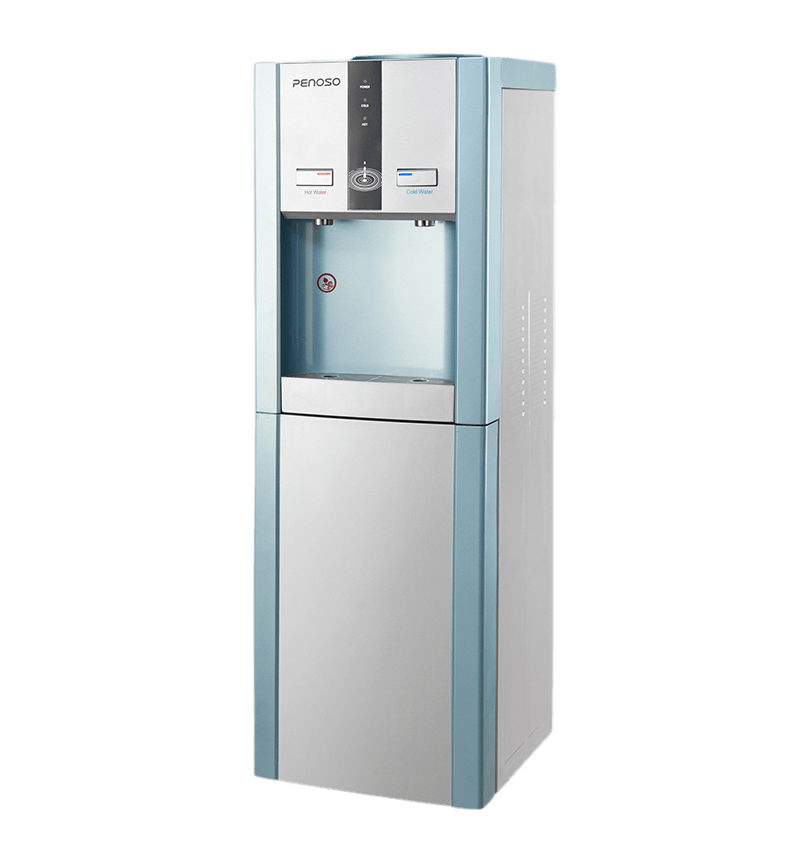
The most common and traditionally designed type. The water jug sits inverted on top of the unit, feeding water down into a reservoir through gravity. Top-loaders are generally the most affordable option, widely available, and compatible with both 3-gallon and 5-gallon bottles. The main drawback is the physical effort required to lift and flip a full 5-gallon jug — which weighs approximately 42 pounds — onto the dispenser without spilling.
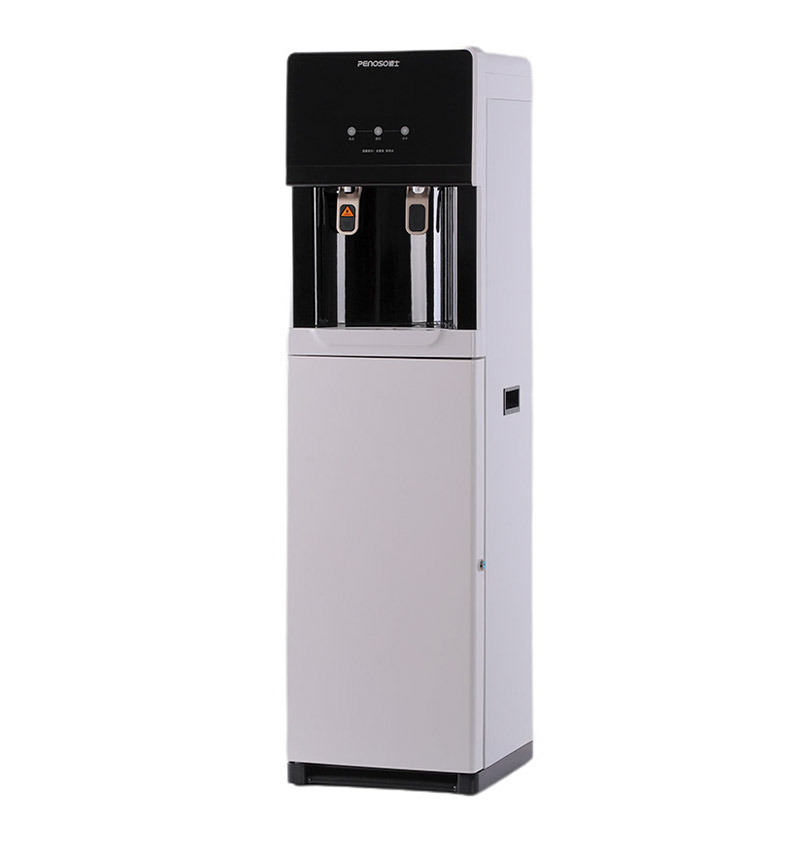
Bottom-Loading Dispensers
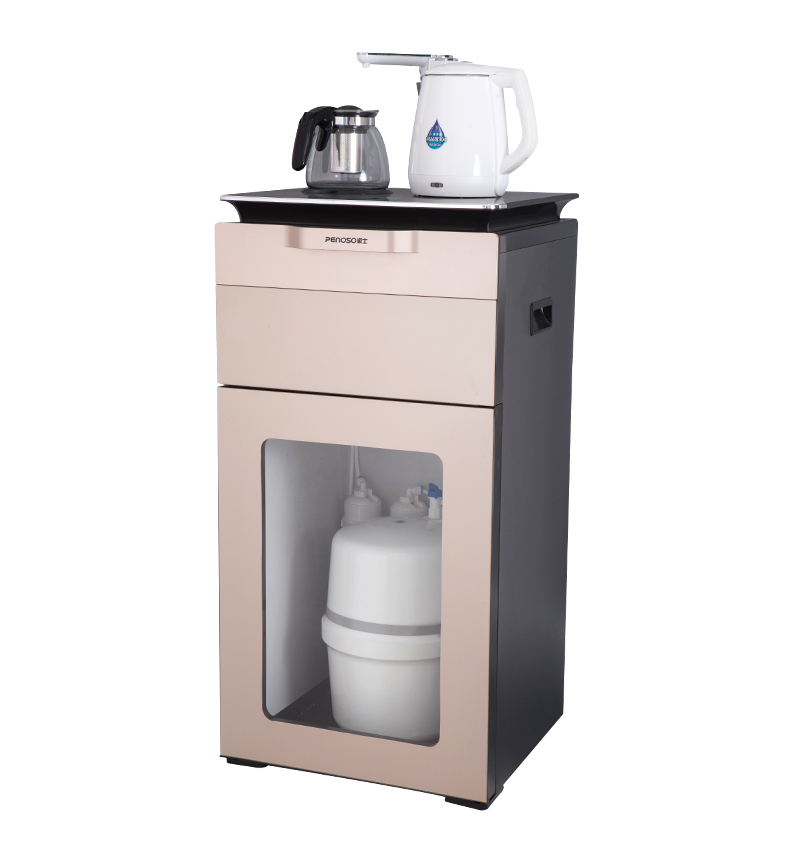
Bottom-loading models hide the water bottle inside a cabinet at the base of the unit. A small pump draws water up to the dispensing taps. These are significantly easier to load — you slide the jug in rather than lifting it overhead — making them a practical choice for elderly users, people with back problems, or office environments where multiple staff members change the bottle. Bottom-loading units typically cost $30–$80 more than comparable top-loading models.
Countertop and Portable Dispensers
Countertop bottle dispensers are compact units designed for smaller 1- to 5-gallon jugs. They sit on a kitchen counter or desk and are ideal for apartments, small offices, dormitories, and situations where floor space is limited. Some models are designed without electric cooling or heating — relying on room-temperature water only — which makes them true portable water supply units that can operate anywhere, including camping setups or job sites with no reliable electricity.
| Type | Jug Placement | Ease of Loading | Typical Price Range | Best For |
|---|---|---|---|---|
| Top-Loading | Inverted on top | Moderate (heavy lift) | $80–$180 | Budget-conscious buyers, general home use |
| Bottom-Loading | Inside base cabinet | Easy (slide in) | $130–$300 | Offices, elderly users, frequent jug changes |
| Countertop / Portable | On counter or nearby | Easy (smaller jugs) | $30–$120 | Apartments, camping, limited space |
How to Put a Water Jug on a Dispenser Without Spilling
Loading a top-loading dispenser is the step that intimidates most first-time users. A full 5-gallon jug weighs around 42 pounds, and inverting it cleanly onto the dispenser's needle or spike requires a bit of technique. Done properly, it takes less than 30 seconds with no spilling.
Step-by-Step: Loading a Top-Loading Dispenser
- Remove the bottle's protective cap or seal. Do not remove it until you are ready to load — the bottle is under slight vacuum pressure that prevents water from escaping while upright.
- Position the bottle next to the dispenser. Place it on the floor directly beside the unit.
- Tilt the bottle at a 45-degree angle. Grip the bottle firmly with both hands — one near the base and one near the neck.
- In one smooth motion, lift and invert the bottle over the dispenser's opening. Align the bottle's mouth with the spike or collar opening on top of the unit.
- Lower the bottle onto the spike. The spike punctures the bottle seal or enters the open mouth, and the vacuum effect kicks in — water flows into the reservoir and then stops, preventing overflow.
- Confirm the bottle is seated securely. It should sit stable without wobbling. Some models have a collar or locking ring that snaps around the bottle neck.
The most common reason for spilling is hesitation mid-lift. Once you begin inverting the bottle, commit to the motion. Pausing while the mouth is partially tipped causes water to pour out before you reach the dispenser. If you find 5-gallon jugs too heavy to handle solo, a jug stand or loading assistant tool (a simple device that cradles the bottle and tips it in) is available at most home goods stores for under $20.
Loading a Bottom-Loading Dispenser
Bottom-loading models are significantly simpler. Open the cabinet door at the base of the unit, remove the empty jug, place the new jug upright inside the cabinet, and connect the probe or straw-like intake tube into the bottle's cap (most bottom-loading jugs have a pre-fitted cap with a port for this). Close the door and press the dispenser's refill or prime button if it has one — the pump takes over from there. No lifting above waist height is required.
Portable Water Supply: Using Dispensers Off-Grid or Away from Home
One of the less-discussed uses for bottle dispensers is as a portable water supply solution in situations where tap water is unavailable or unreliable. Non-electric countertop dispensers are particularly useful here because they require no power source — gravity or a manual pump handles dispensing.
Common portable water supply scenarios where a bottle dispenser excels:
- Construction sites and job sites — A 5-gallon bottle with a countertop hand-pump dispenser provides clean drinking water for workers without needing plumbing or electricity.
- Emergency preparedness — FEMA recommends storing at least one gallon of water per person per day for emergencies. A dispenser with a sealed 5-gallon bottle stores efficiently and dispenses cleanly without contamination risk.
- Camping and glamping setups — Gravity-fed bottle dispensers work at campsites where carrying individual bottles would be impractical. Some campers pair them with filtered refillable jugs rather than commercial water.
- Temporary living situations — Renters, people between homes, or those in short-term furnished apartments often find a portable bottle dispenser more practical than installing any permanent water filtration system.
- Offices without water lines — Converted spaces, workshops, and studio offices that lack plumbing access rely on bottle dispensers as their primary drinking water source.
For true portability, look for dispensers that weigh under 10 lbs without water, have a compact footprint under 12 inches wide, and don't require a power connection for basic dispensing. Models with a battery-powered or USB pump add convenience for outdoor settings without sacrificing portability.
What to Look for When Buying a Bottle Dispenser
With dozens of models on the market, narrowing down the right dispenser comes down to a handful of practical criteria. Here's what actually matters for day-to-day use:
Hot and Cold Functionality
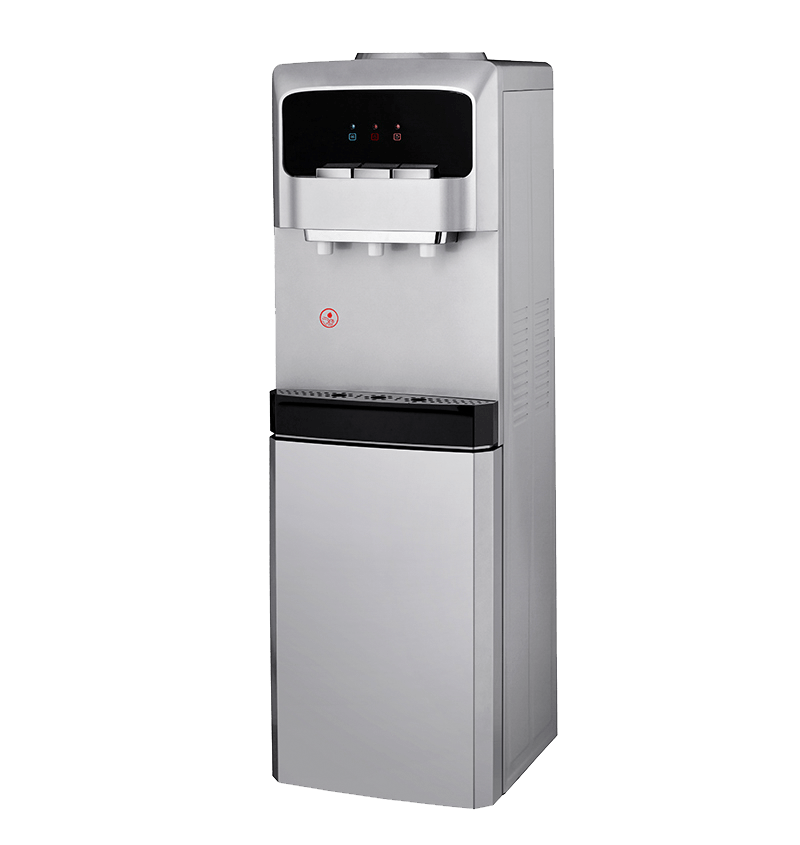
Most electric dispensers offer at least cold and room-temperature settings. Models with a hot water tap — typically dispensing water at 185–203°F — are useful for tea, instant oatmeal, and soups. Check whether the hot water tap has a child safety lock, which is an important safety feature in households with young children.
Cooling and Heating Technology
Dispensers use either a compressor-based cooling system or a thermoelectric (Peltier) cooling system. Compressor models cool water to 35–50°F and maintain that temperature reliably, similar to a refrigerator. Thermoelectric models are quieter and cheaper but only cool water to about 10–15°F below ambient room temperature — meaning in a warm room, your cold water may only reach 60°F, which many users find disappointing.
Reservoir Size and Dispensing Speed
The internal cold water reservoir determines how much chilled water is immediately available before the unit needs to cool more. Most mid-range models hold 1–2 liters of pre-chilled water. In a busy office environment, this may not be enough during peak usage; look for units with a minimum 2-liter cold reservoir if multiple people will use the dispenser throughout the day.
Material Safety and Certifications
The internal reservoir and water path components should be made from BPA-free food-grade materials. Look for NSF/ANSI certification or equivalent safety standard compliance on the product listing. This is especially important if the unit will be used regularly by children or in a commercial food setting.
Ease of Cleaning
Water dispensers should be cleaned every 3–6 months to prevent bacterial and mold buildup inside the reservoir and taps. Units with a removable drip tray and accessible internal reservoir make this process much less frustrating. Check that the model you're considering has documented cleaning instructions — some cheaper models have sealed internals that are nearly impossible to clean properly.
The Real Cost of Running a Bottle Dispenser
Understanding the total cost of ownership helps determine whether a dispenser genuinely saves money over alternatives. There are three cost components to consider: the unit itself, the water, and the electricity.
- Unit cost: A quality dispenser with both hot and cold functions runs $100–$200. Budget models start at $60, and premium stainless-exterior models can reach $350+. Most units last 5–10 years with basic maintenance.
- Water cost: A 5-gallon bottle from a delivery service typically costs $7–$12. A household drinking 5 gallons per week spends roughly $35–$60 per month on water alone, or $420–$720 per year. Self-service refill stations (common at grocery stores) can reduce this to $1.50–$2.50 per 5-gallon refill.
- Electricity cost: Most electric dispensers consume 75–120 watts when actively heating or cooling. In standby mode, they draw 10–30 watts. At the U.S. average electricity rate of $0.16 per kWh, running a dispenser costs approximately $3–$8 per month in electricity — a negligible portion of total cost.
For households currently spending $50–$80 per month on single-use bottled water, switching to a 5-gallon bottle dispenser with delivery typically reduces that expenditure by 40–60% while also reducing plastic waste by hundreds of bottles per year.
Maintaining Your Dispenser for Long-Term Performance
A dispenser that isn't maintained regularly can develop unpleasant tastes, odors, or — in neglected cases — bacterial growth in the reservoir. The maintenance requirements are simple but should be done consistently.
Monthly Tasks
- Wipe down the exterior with a damp cloth, paying attention to the tap nozzles and drip tray.
- Remove and wash the drip tray with warm soapy water.
- Inspect the bottle collar or spike for mineral deposits or residue and wipe clean.
Every 3–6 Months: Deep Clean
- Remove the bottle and drain the remaining water from the reservoirs through the taps.
- Mix a cleaning solution of 1 tablespoon of unscented bleach per gallon of water or use a citric acid solution (1 tablespoon per quart).
- Pour the solution into the dispenser's top opening and allow it to sit for 5–10 minutes, then drain completely through the taps.
- Flush with two full cycles of clean water before reinstalling a fresh bottle.
Never allow a dispenser to sit empty for more than a few days without cleaning. Stagnant moisture inside the reservoir is the primary cause of mold and musty-tasting water. If you're leaving the dispenser unused for an extended period, drain it completely and leave the tap open slightly to allow airflow.
Top Bottle Dispenser Features Worth Paying Extra For
Not every premium feature justifies its cost, but some upgrades make a meaningful difference in daily usability:
| Feature | What It Does | Worth It? |
|---|---|---|
| Night light / LED indicator | Illuminates taps in low light | Yes — very practical |
| Child safety lock on hot tap | Prevents accidental scalding | Essential for families |
| Self-cleaning UV sterilization | UV light cycles to sanitize reservoir | Yes — reduces manual cleaning frequency |
| Energy-saving mode | Reduces heating/cooling overnight | Yes — saves $10–$20/year |
| Built-in filtration | Filters water even from bottled source | Situational — rarely necessary with bottled water |
| Compressor cooling (vs. thermoelectric) | Maintains 40–50°F reliably | Yes — major upgrade in warm climates |
.jpg "সেল্ফ ক্লিনিং বটম লোডিং ওয়াটার কুলার ওয়াটার ডিসপেনসার - 3 টেম্পারেচার সেটিংস PS-SLR-812B")